FWA Week One: What Hospitality Inspectors Are Actually Checking
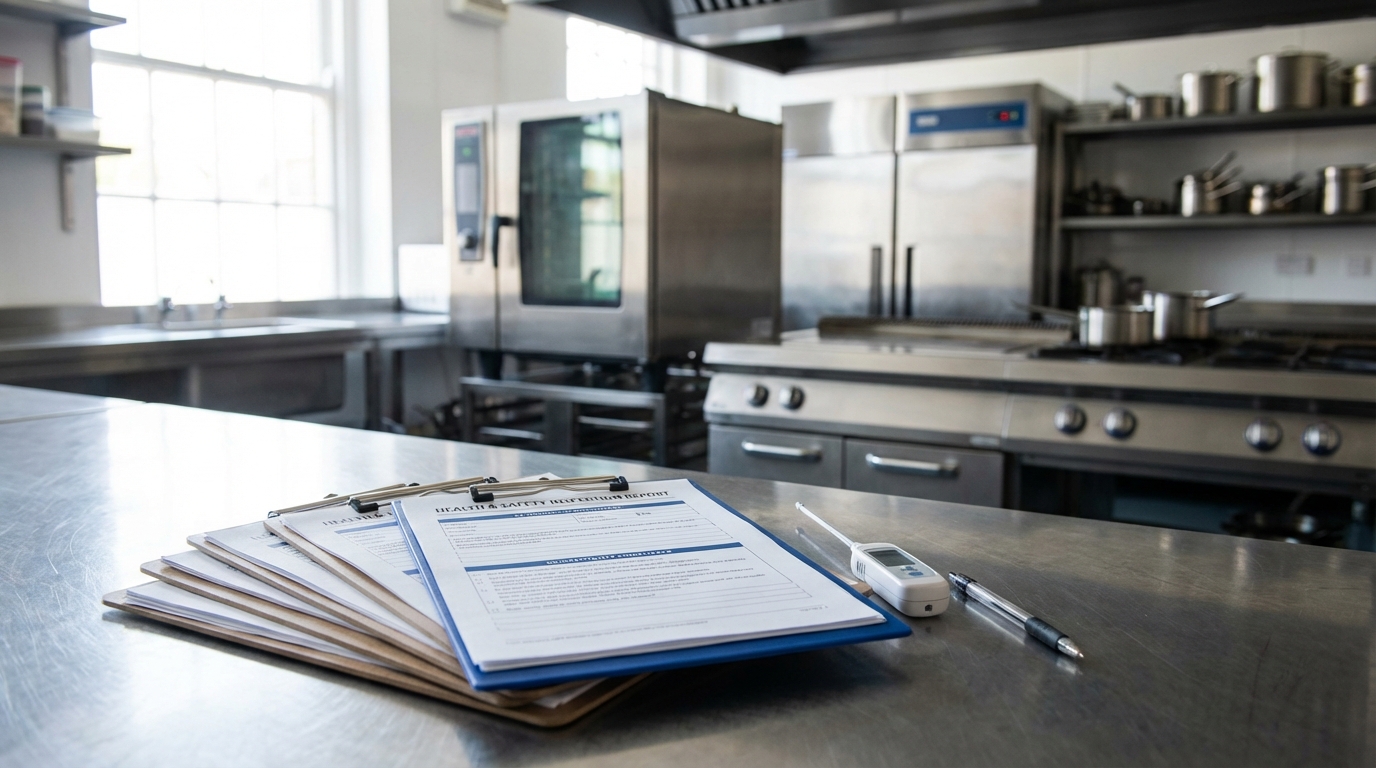
The Fair Work Agency launched on 7 April 2026, and hospitality was its declared first enforcement priority. It's now Thursday — the agency has been operating for three full days, and the question every restaurant, pub, hotel, and café owner should be asking is: what exactly are they checking?
This isn't theoretical. The FWA has walk-in inspection powers. It does not need a worker complaint to visit your premises. It can recover its investigation costs from you if it finds violations. And based on the regulations it enforces, here is a precise breakdown of what hospitality inspectors are looking for in week one.
What the Fair Work Agency Actually Does
The FWA is the UK government's new enforcement body for employment rights. It replaces and absorbs the functions of the previous National Minimum Wage compliance team, the Employment Agency Standards Inspectorate, and the Gangmasters and Labour Abuse Authority.
The critical change is the enforcement model. The previous system was largely complaint-driven — workers had to make a formal complaint before HMRC minimum wage investigators would act. The FWA operates proactively. It designates enforcement priority sectors and conducts visits without complaint triggers.
Hospitality is the declared priority for Q2 2026. If you operate a café, restaurant, pub, hotel, or catering business in the UK, you are in the highest-risk category for receiving an unannounced FWA visit this quarter.
What Inspectors Check — The Full List
1. National Minimum Wage Compliance
The FWA's primary function is NMW enforcement. From April 2026, the National Living Wage is £12.71 per hour for workers aged 21 and over. Inspectors check:
- Payslip documentation — Does the effective hourly rate (including all deductions) meet £12.71? Uniform costs, tool charges, and tip pooling arrangements that reduce effective pay below NMW are illegal.
- Hours worked records — Are working hours formally recorded? Verbal rota systems are insufficient. Written records must be maintained and available for inspection.
- Sleep-in shifts — For residential hospitality or hotel overnight roles, are sleep-in carers and night staff being paid correctly? Sleep-in shifts must now be paid at NMW for all hours, following FWA enforcement guidance issued in March 2026.
- Hidden deductions — HMRC and FWA define "hidden deductions" as salary sacrifice arrangements, tip deductions, and any other mechanism that reduces the net hourly rate below the statutory minimum.
The penalty for NMW non-compliance is 200% of the underpayment (minimum £100, maximum £20,000 per worker), plus back payment of all underpaid wages to the worker.
2. Statutory Sick Pay — Day-One Obligation
Since 6 April 2026, SSP is payable from day one of illness. The three-day waiting period has been abolished. This is now law.
FWA inspectors check:
- Written SSP policy — Does your staff handbook or employment contract reference the three-day wait? If yes, that document is now evidence of an unlawful policy. It must be updated before an inspection.
- Payroll records — Are you actually paying SSP from day one? Inspectors can request payroll data covering recent periods to verify compliance.
- Communication to staff — Workers must have been informed of the change. A message on a staff noticeboard or updated contract is acceptable; no action taken is not.
This is one of the most common compliance failures FWA expects to find in hospitality. Thousands of hospitality businesses updated their pay from April 6 but have not yet updated their written policies.
3. Holiday Records — The Six-Year Rule
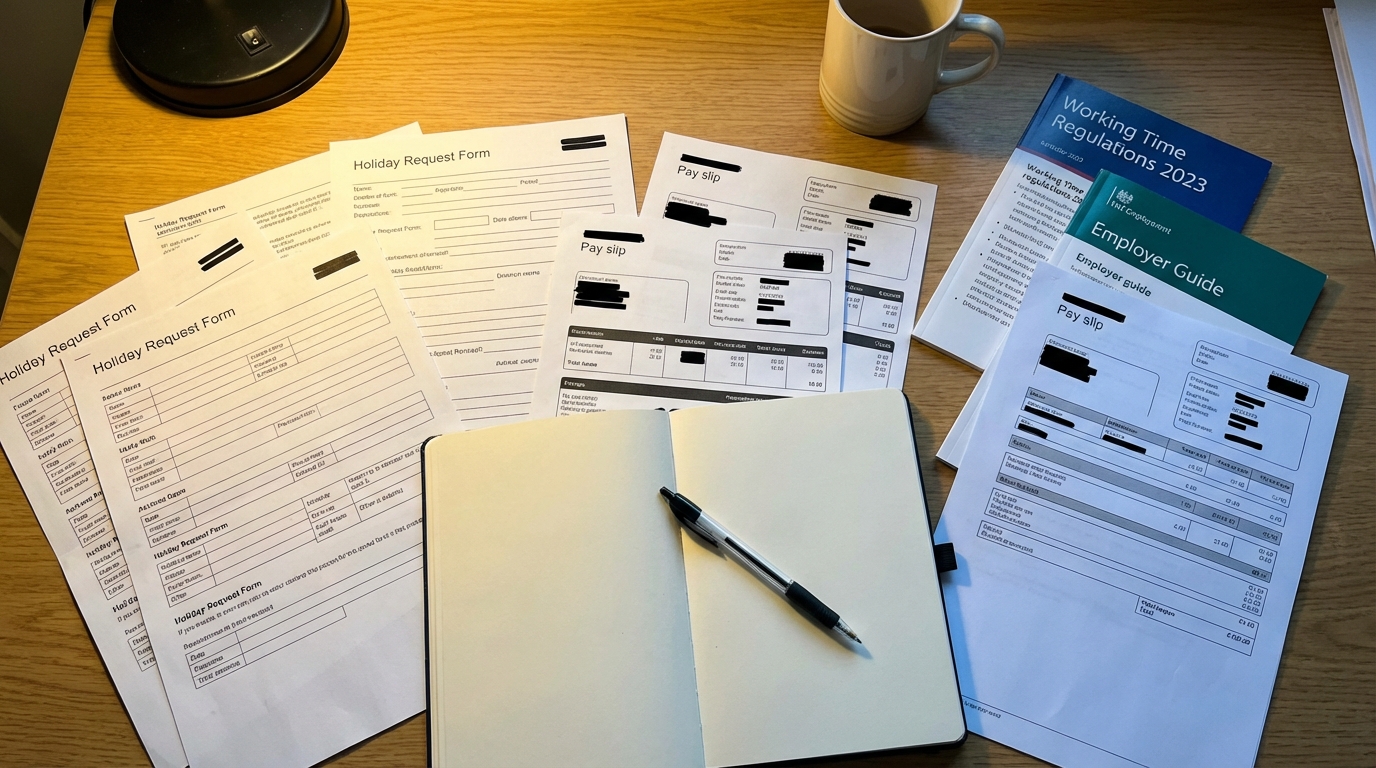
From 6 April 2026, holiday pay record retention became a criminal offence if records are destroyed or not maintained for six years. This applies to all workers, including zero-hours and casual staff.
What inspectors examine:
- Holiday entitlement calculations — Are they using 12.07% of hours for irregular workers? This was withdrawn by HMRC guidance but many businesses are still using it.
- Accrual records for variable-hours workers — Zero-hours and part-time workers on variable rotas must have documented accrual.
- Six-year retention — Can you produce records from 2020? Failure to produce them is now a potential criminal offence, not merely a civil compliance failure.
In hospitality, where casual and zero-hours staffing is endemic, this is where FWA expects to find the most systemic failures.
4. Zero-Hours Cancellation Pay
Since 7 April 2026, workers on zero-hours contracts whose shifts are cancelled at short notice are entitled to a payment for the cancelled shift. This is a new, standalone right — separate from the guaranteed hours obligation.
The FWA enforces this directly. What inspectors check:
- Shift cancellation records — Is there a documented process? Verbal cancellations are unenforceable as evidence of compliance.
- Payment records — Where shifts were cancelled within the qualifying period, are compensation payments visible in payroll?
- Zero-hours worker awareness — Were workers told about this right? If a worker didn't claim it because they didn't know about it, the FWA may treat that as suppression of a statutory right.
For hospitality — which employs approximately 40% of all UK zero-hours workers — this is a significant new exposure.
5. Worker Classification Checks
The FWA has been given enhanced powers to investigate worker misclassification — the practice of treating employees as self-employed contractors to avoid NMW, holiday pay, and SSP obligations.
Inspectors look for:
- Gig-style kitchen or service arrangements where workers are nominally "freelance" but work fixed shifts with fixed location, fixed rate, and employer control
- Cash-in-hand payments for casual weekend or event staff
- Agency worker terms — If you use agency staff, are you paying the correct agency worker rate? After 12 weeks, agency workers are entitled to the same basic pay and conditions as comparable direct employees.
This area of enforcement is the FWA's most powerful tool for hospitality, as it catches businesses that believe they've legally insulated themselves from worker rights obligations.
What Triggers an FWA Visit
Despite the FWA's proactive inspection model, certain factors increase the probability of a visit:
- Named in a worker complaint — even informal complaints from former employees can trigger a referral
- Sector-wide enforcement sweeps — the FWA has announced hospitality as a sweep target for Q2 2026, meaning geographic clusters of similar businesses may be visited together
- Online review indicators — there is emerging evidence that the FWA uses employment tribunal claims, Glassdoor reviews mentioning pay issues, and Companies House data to identify risk targets
- Failed previous inspections — HMRC minimum wage investigation history is visible to FWA and increases risk
What Happens During an Inspection
An FWA inspector can arrive unannounced. You are not required to consent to entry but failure to cooperate is a criminal offence.
During the visit, inspectors will typically:
- Identify themselves and explain the purpose of the inspection
- Request access to payroll records, rota records, and contracts
- Interview members of staff (they can do this privately, without management present)
- Review written policies (SSP, holiday, cancellation pay)
- Request copies of records to take away
If violations are found, inspectors issue improvement notices, financial penalties, or refer the matter for prosecution. In serious cases — particularly for repeat violations or deliberate suppression of worker rights — prosecution in the employment tribunal follows.
The Three Documents You Need Before Any FWA Inspection
If you run a hospitality business and have not already done this, these three actions are urgent:
Update your SSP policy today. Remove any reference to a three-day waiting period. Replace with "SSP is payable from the first day of illness." This takes 15 minutes and removes a document from the inspector's evidence pile.
Pull your zero-hours shift cancellation records. For any cancelled shifts since 7 April, verify whether the compensation payment was made. Gaps here are now your liability.
Audit your NMW calculations with every deduction included. Run the maths: effective hourly rate after all charges, including uniforms, card terminal charges, and any tip recovery arrangements. If it's below £12.71, you are non-compliant before the inspector arrives.
Not sure where your business stands?
Take our free Compliance Score quiz — 20 questions, 3 minutes, instant results across NMW, SSP, holiday records, and zero-hours obligations.
Or start a free 7-day trial of ComplianceAlert at compliancealert.co.uk/hospitality — we monitor FWA enforcement activity and flag the specific records you need to maintain. No credit card required.
Frequently Asked Questions
Does the Fair Work Agency need a complaint before visiting? No. The FWA operates proactively and can visit any business in a declared enforcement priority sector without a worker complaint.
What records must I have available for an FWA inspection? Payroll records, rota records, holiday accrual records, SSP payment records, and written employment policies (including contracts and handbooks). Holiday records must be retained for six years from April 2026.
What happens if I refuse to allow an FWA inspector in? Refusal or obstruction of an FWA inspection is a criminal offence under the Employment Rights Act 2025.
Can FWA inspect zero-hours workers separately? Yes. FWA inspectors can interview zero-hours workers privately and without management present. They are specifically looking for suppression of statutory rights (particularly cancellation pay entitlement) where workers were unaware of their rights.
How much is the fine for NMW non-compliance? 200% of the total underpayment (minimum £100, maximum £20,000 per worker), plus mandatory back payment of all underpaid wages.
Key Takeaways
- The FWA is live and has named hospitality as its Q2 2026 enforcement priority
- Inspectors check NMW calculations, SSP policies, holiday records, and zero-hours cancellation pay — all in one visit
- The three-day SSP wait is illegal; any written policy still referencing it is evidence of non-compliance
- Holiday records must be retained for six years — this is now a criminal obligation
- Update your SSP policy, audit your cancellation pay records, and verify your effective NMW rate before an inspector arrives
The hospitality sector has three simultaneous compliance vectors active right now — FWA enforcement, NMW enforcement, and the new zero-hours rights. None of them require a worker to complain. They just require an inspector to walk through your door.
FWA week one is here. The question is whether your paperwork is ready.
Take our free Compliance Score: compliancealert.co.uk/compliance-score Start your 7-day free trial: compliancealert.co.uk/hospitality
Keep regulatory updates in one place
Read regulatory alerts and use a checklist for your sector in the free ComplianceAlert dashboard.
Create your free account →No card needed · Email confirmation required · Email alerts are on paid plans
Have a question?
Ask us about getting started with ComplianceAlert.
Call Alice: +44 23 9433 0468 (network charges may apply) · hello@compliancealert.co.uk


